
Nestled deep in the Himalayas, the Spiti Valley has to be one of India’s remotest and most enchanting holiday spots. This high-altitude cold desert in Himachal Pradesh is variously famous for its spectacular landscapes, ancient monasteries, rugged mountain roads, and untouched beauty. Sitting at an average altitude of over 12,000 feet, Spiti feels like a different world-raw, peaceful, and spiritually enriching.
Spiti Valley Travel Guide: A Journey Through Cold Desert of India
For travelers in quest of adventure, solitude, and authentic Himalayan culture, Spiti Valley offers an unforgettable experience far removed from crowded hill stations.
Why Visit Spiti Valley?
Spiti Valley is not about luxury or comfort-it’s about experience. It is a region that attracts a certain kind of traveler who looks for journeys that are offbeat, drives that are scenic, and experiences that are culturally enriching. A land of stark mountains, crystal clear rivers, and age-old monasteries, Spiti is ideal for:
- Lovers of adventure and road trips
- Photography enthusiasts
- Spiritual seekers
- Budget Backpackers and travelers
- Travelers’ interest in destinations that have not yet been explored much
Unlike lush green valleys, Spiti’s beauty lies in its barren terrain and dramatic contrasts.
Best Time to Visit Spiti Valley
The most important thing is to choose a proper season because conditions in Spiti are always extreme.
Summer (May to September) – Best Time to Visit
Summer is the best time to visit Spiti Valley. The roads are open, weather condition is good, and villages are accessible. Day temperatures range from 10°C to 20°C, making sightseeing comfortable.
Winter (October to April) – For the Seasoned Tourist
Winter changes Spiti into a snowy fairyland. However, the temperatures go below freezing, the roads get blocked, and the facilities are limited. Only experienced travelers should try winter trips.
How to Reach Spiti Valley
By Road
Spiti Valley is best accessed by road, and there are two main routes:
Via Shimla- Kinnaur- Spiti : During most part of the year
Via Manali -Kunzum Pass (open only during summer)
By Air
The nearest airport is Bhuntar (Kullu), but roadways are still to be traveled.
By Train
The nearest railway station is at Kalka or Chandigarh, from where one can hire a taxi to reach Mashobra, via a long journey on the road.
Top Places to Visit in Spiti Valley
Kaza
Kaza is an administrative center and major town of Spiti Valley. It provides a base for the travelers along with some places to stay, restaurants, and internet access. Kaza is further divided into Old Kaza and New Kaza, both offering stunning valley views.
Key Monastery
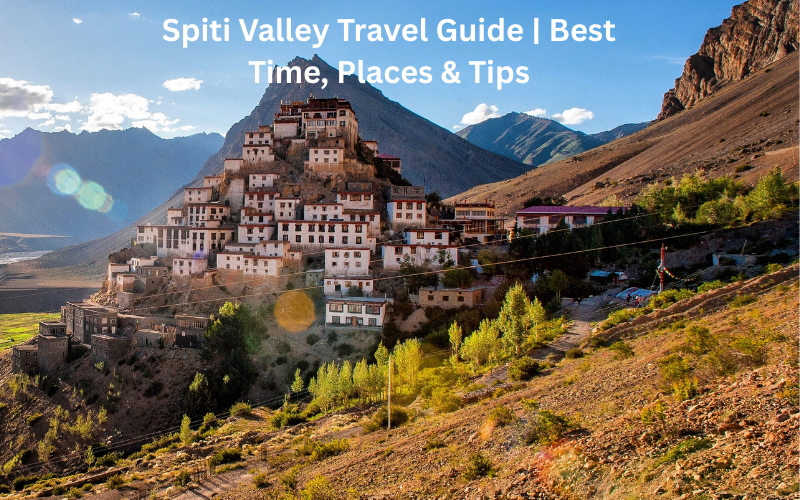
The most dramatic and picturesque key monastery dramatically situated on a hilltop is the largest and most iconic monastery in Spiti; over 1,000 years old, it’s a major learning center for Buddhist monks. It offers breathtaking views of the surrounding mountains.
Kibber Village
Kibber is located at an altitude of over 14,000 feet and is considered one of the highest inhabited villages anywhere in the world. The village has stone houses, offers amazing wildlife sightings, and forms a part of some beautiful landscapes.
Langza Village
Langza is famous for the big Buddha statue that looks down the valley and for its fame as a land full of fossils. The village offers serene stays and breathtaking views of Chau Chau Kang Nilda peak.
Hikkim
Hikkim consists of the world’s highest post office. Sending a postcard from here is a popular activity among travelers.
Dhankar Monastery
Perched on the steep side overlooking the confluence of rivers, Dhankar Monastery is a stunningly beautiful and remarkably spiritual place. From the monastery, one can reach the breathtakingly beautiful Dhankar Lake after a short trek.
Monasteries and Spiritual Experiences
Spiti Valley is profoundly influenced by Tibetan Buddhism. The monasteries here are not only places of worship but also strong centers of culture and history. Visitors can attend prayer sessions, interact with monks, and experience a peaceful way of life untouched by the chaos of modern times.
Major monasteries include:
- Key Monastery
- Tabo Monastery, UNESCO Recognized
- Dhankar Monastery
Adventure and Activities in Spiti Valley
Road Trips
In fact, going to Spiti is an adventure in itself, with some of the most beautiful and difficult roads in India.
Trekking
Spiti offers a range of activities from moderate treks, such as Dhankar Lake trek, and village walks connecting nearby settlements.
Camping
One of the most magical Spiti Valley experiences is camping under a clear night sky smothered with stars.
Photography
Spiti is a photographer’s paradise, with its dramatic landscapes, ancient villages, and monasteries.
Local Food in Spiti Valley
Food in Spiti Valley is simple, nourishing, and adapted to harsh climatic conditions. Common dishes include:
- Thukpa
- Momos
- Tsampa
- Butter tea
Meals are largely vegetarian and cheap, not so much outside of homestays.
Where to Stay in Spiti Valley
Accommodation choices at Spiti Valley include:
- Homestays are one of the best ways to experience the culture.
- Budget guesthouses
- Small hotels in Kaza
Homestays come highly recommended to find a balance between quality hospitality and food.
Budget Travel Tips for Spiti Valley
- Use taxis, sharing costs where groups can travel together.
- Opt for homestays instead of hotels.
- Carry cash with you – minimal ATMs
- Packing of essentials and medicines
- Acclimatize yourself properly to avoid altitude sickness.
Spiti can be done on a reasonable budget with proper planning.
Things to keep in Mind
- Network connectivity is poor.
- Respect local culture and monasteries
- Avoid litter and plastic waste.
- Drive carefully on mountainous roads
Conclusion : Spiti Valley travel guide
Spiti Valley is not a place; it is an eternal experience that you continue to live long after returning home. Its rugged beauty, spiritual calm, and untouched landscape offer something so rare in today’s fast-paced world. Whether chasing adventure, solitude, or cultural depth, Spiti Valley rewards its travelers with lifetime memories. If you’re ready to explore a raw and authentic side of the Himalayas, Spiti Valley should be at the top of your travel list.