
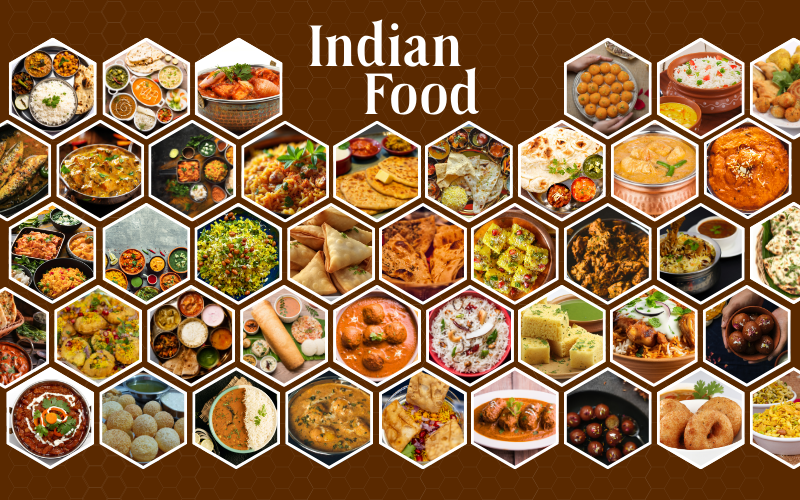

India is traveled for monuments and landscapes, but it is also tasted, smelled, and savored. Each region has flavors that are specific to the climate, history, and culture of the area. Food tourism is a window into India, a more intimate path for the traveler after the sights have been visited.
Street food or royal renaissance, food announces local identity. But, many of the real recipes, on the other hand, are found in back alleyways & local communities. Thus local guides are vital in helping us safely explore and making sense of these places that tell culinary stories.
Food Tourism in India Is Best Experienced With Local Insight
The type of food eaten in India significantly differs in different parts of the nation. Every few hundred kilometers, you get a different set of ingredients — a different set of spices, a different method of cooking.
In terms of food tourism in India, guided food walks cover custom, choice of ingredients, and its cultural and social significance. Thus, meals are educational and experiential but not overwhelming. In addition, hygiene parameters and safe food points are also selected.
Food Tourism in India Begins in Delhi’s Historic Streets
What Makes Delhi’ s Food CultureUniqueMughal, Punjabi, and street-food heritage are the roots of the food culture of Delhi. The highlight still remains Old Delhi.
Food tourism in India boldly explores the narrow lanes of Chandni Chowk. It contextualizes iconic dishes like chaat, kebabs, and sweets by featuring their history. As a result, there is a richness and authenticity to the experience.
Food Tourism in India Through Old Delhi Food Walks
Heritage eateries and recipes from a hundred years ago dominate Old Delhi food walks.
Food tourism in India breaks down flavours, and ensures food safety and hygiene. This gives peace of mind to travelers as they indulge in adventurous flavors.
Food Tourism in India Thrives in Mumbai’s Diverse Kitchens
A Plate Of Diversity: Mumbai – Mumbai is the slice of India on a plate. This was reflected in the migration of peoples that shaped the food culture.
Food tourism in India, where guides showcase local delicacies including vada pav, pav bhaji, seafood and Parsi cuisine. This makes Mumbai’s fast-paced food scene accessible and fun.
Food Tourism in India Through Mumbai Street Food Trails
Street food in mumbai, best enjoyed when guided
High tide healthy route option through food tourism in India, suitable vendors are chosen on trust basis. This way, flavors are enjoyed authentic and safe.
Food Tourism in India Is Deeply Rooted in Kolkata
Food — A reflection of literary culture in Kolkata, a touch of colonial and Bengali cultures
In Indian food tourism, thought is given to sweets, fish curry and road snacks. Culinary experiences thus feel emotional and cultural, not rushed.
Food Tourism in India and Kolkata’s Sweet Culture
Bengali sweets hold cultural importance.
The traditions and regional variations of sweet-making are vividly explained through food tourism in India. Thus, the appreciation goes beyond the palate.
Food Tourism in India Shines in Jaipur’s Royal Kitchens
One of the famous food culture of india started in deserts with royal background of rajasthan.
Local guides talk about slow-cooked dishes, spices and the preservation of food in the case of food tourism in India. So royal recipes have a sense of pragmatism — this is history feeding its belly.
Food Tourism in India Is Incomplete Without Lucknow
Lucknow is the city of elegance and Awadhi food.
Descipline(d) Through Food Tourism in India: Food tourists experience dum cooking techniques as dum or kebabs and biryanis. So things with delicate flavors are better comprehended.
Food Tourism in India Through Awadhi Cuisine
Awadhi food places a premium on balance and smell.
Cooking techniques and etiquette explained with the help of: food tourism in India Consequently, every meal has an elegance and significance to it.
Food Tourism in India Is Rich in South Indian Cities
From the fermented foods and rice based dishes prevalent in south to more oil heavy and spice rich dishes in North,
In India, Chennai, Bengaluru and Kochi bring in dosas, idlis, seafood, coconut-based curries, and the likes through food tourism. In turn, this allows for regional diversity to be able to be fully appreciated.
Food Tourism in India Through Kerala’s Coastal Flavors
The flavours of spice, coconut and the sea are the good ole Kerala cuisine.
Responsible exploration of traditional meals and cooking styles through food tourism in India. Food is directly geographic therefore.
Food Tourism in India Encourages Cultural Understanding
Bottom Line: Food speaks of social habits, belief system, and history.
In a food tourism experience in India, guides detail why we eat, what we eat, what we avoid eating, and what we celebrate. This, in turn, fortifies cultural appreciation
Food Tourism in India Supports Local Communities
Food tourism directly benefits small eateries and family kitchens
The concept of food tourism supports local vendors and also preserves traditional recipes in India. This makes tourism ethical and sustainable.
Food Tourism in India Requires Local Guidance for Safety
To first-timers, the idea of street food can be a little intimidating.
In case of food tourism comprising India, hygiene specifications, quality of ingredients, and process of preparation are examined. Therefore, the health risks are very low.
Food Tourism in India Fits All Travel Styles
Food travel is for family, couple, and solo travelers.
Food tourism in India is a specific example where experiences are tailored and be it one having a high tolerance for spicy food or the other with a strong preference for dietary needs or like any other interests, a local connoisseur is the right person to guide. Therefore, everyone feels included.
Why Food Tourism in India Creates Lasting Memories
Food connects people emotionally.
Case in point being the travel memories forged over a meal, where the traveler recalls conversations, the taste of the food and the time spent on the table, all together in the land of food tourism in India. Thus, memories are personal and permanent.
Conclusion: Food Tourism in India Is a Journey Through Culture
You cannot understand India through menus. It has to be walked over, and tasted, and explained.
Food tourism in India with local guides lets travelers taste authentic flavors and that too in a safe and meaningful manner. In the end, food is the passport to culture, history and human connection that remains well after the trip is over.